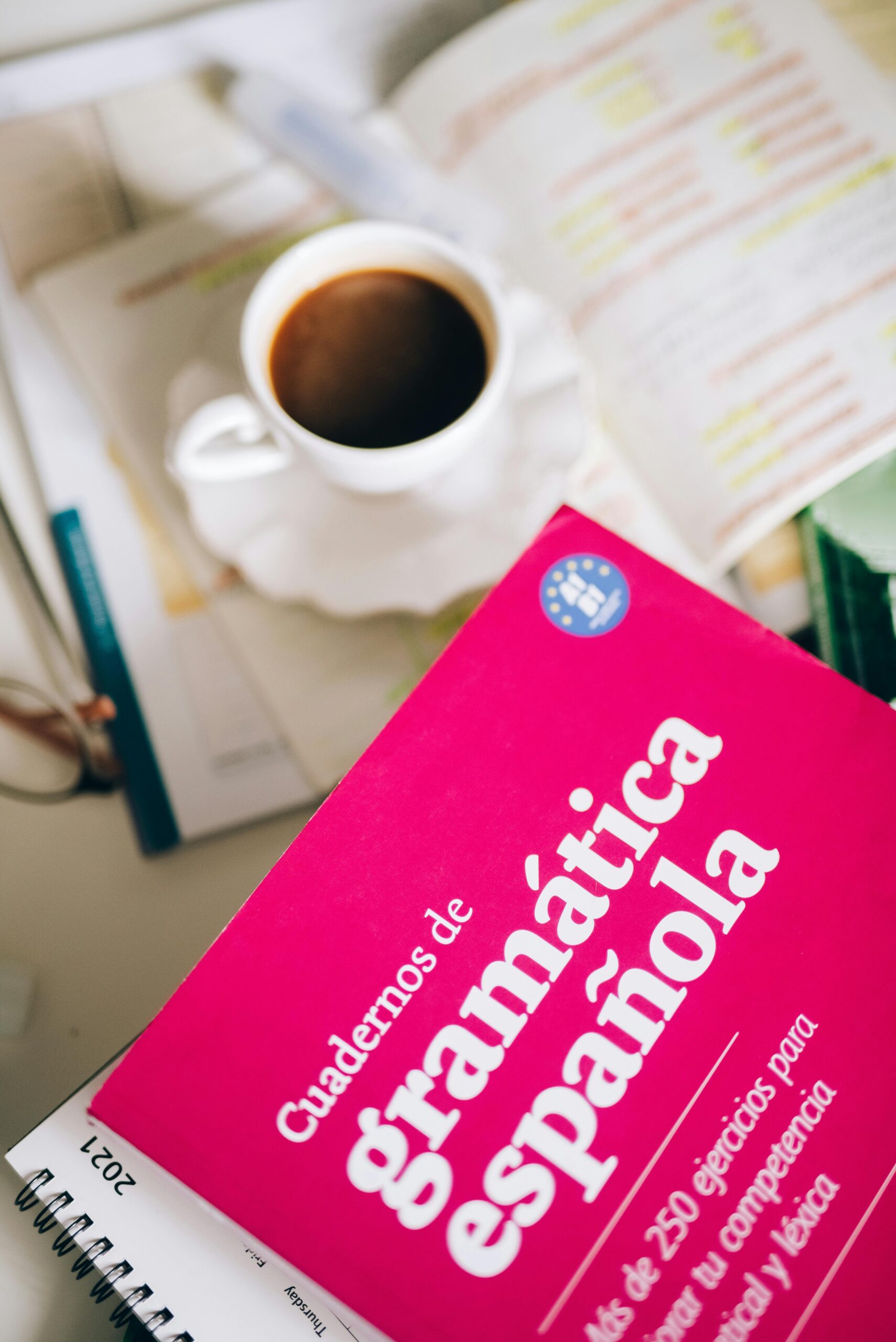
Speaking is the skill most learners struggle with. You may know vocabulary, understand sentences, and even read fluently — but when you try to speak, your tongue freezes, grammar disappears, and confidence drops. The problem is not intelligence — it’s lack of real speaking practice.
But here’s the good news: you can become fluent even without a partner. Many successful learners reached conversational fluency without ever speaking to a native speaker. All you need are the right techniques, consistency, and smart practice.
This article explains powerful, practical, scientifically-backed speaking techniques that help you practice even when no one is available. With daily use, these methods improve fluency, pronunciation, confidence, vocabulary recall, and natural sentence flow.
🧩 Why Speaking Practice Feels Hard (Even When You Know Words)
Many language learners can understand but can’t speak confidently. Why?
Because understanding is passive, speaking is active.
- Listening → brain receives information
- Speaking → brain must produce information instantly
Speaking requires instant recall, sentence formulation, grammar selection, and pronunciation — all at the same time. Without practice, the brain freezes. To speak fluently, the brain needs output training, not just input.
This article will teach you how to create speaking output alone, without a tutor or partner.
🔥 1. Self-Talk Method — Speak With Yourself Daily
This is the easiest and most powerful technique. You narrate your thoughts in the language you’re learning.
How to do it:
- Describe what you’re doing
“I am cooking rice.”
“I am going to the market.” - Comment on surroundings
- Talk about plans or feelings
- Pretend you’re explaining a story or event
Do this every day, 10–30 minutes. The more you speak, the faster your brain learns to produce sentences automatically.
Why it works:
✔ No pressure, no embarrassment
✔ Improves fluency + recall speed
✔ Builds confidence even before talking to others
Small daily self-talk = major long-term fluency.
🔥 2. Use the Shadowing Technique (Fluency Booster)
Shadowing means hearing and repeating simultaneously, like an echo.
It trains mouth muscles, mimics native rhythm, and builds fluency quickly.
Step-by-step:
- Play audio from YouTube, podcasts, movies
- Repeat immediately — don’t pause
- Follow the speaker’s speed and accent
- Practice 15–30 minutes daily
Within weeks, speech becomes smoother, richer, and more natural.
Benefits:
✔ Improves pronunciation
✔ Builds rhythm & sentence flow
✔ Trains brain for spontaneous speaking
Shadowing is one of the best techniques to sound like a native.
🔥 3. Record Your Voice — Analyze, Improve, Repeat
Most learners never hear their own voice, yet feedback is necessary for growth.
Method:
- Speak for 3–10 minutes on any topic
- Record using phone or PC
- Listen back — notice mistakes in grammar, pronunciation, speed
- Re-record with improvements
This self-feedback loop is powerful.
Why it works:
✔ Shows real speech progress
✔ Makes problem areas visible
✔ Builds confidence rapidly
You become your own teacher.
🔥 4. Describe Everything Around You (Narration Technique)
Your surroundings are your daily learning material.
Example narrations:
- Objects → table, window, laptop, water bottle
- Actions → walking, cooking, studying, calling
- Feelings → tired, excited, confused, happy
Example:
“I am sitting on a chair. The fan is on. I am reading an article about language learning. I feel motivated to improve my speaking.”
This builds practical vocabulary — not textbook language.
🔥 5. Talk to AI Assistants (24/7 Conversation Practice)
Even without humans, you can speak with intelligent voice AI tools.
You can practice:
- Daily conversations
- Role plays (hotel, airport, interview)
- Storytelling & fluency sessions
Speak through microphone instead of typing — treat it as real conversation.
Benefits:
✔ No judgment
✔ Unlimited hours
✔ Instant corrections
✔ Natural conversation flow
AI is the new language partner of 2025.
🔥 6. Think in the Language (Stop Translating)
Translation slows fluency. Thinking directly in the language boosts speed.
Start small:
- Objects → “pen,” “book,” “door”
- Actions → “I eat,” “I go,” “I write”
- Feelings → “I like it,” “I don’t know,” “I understand”
Then move to full thought sentences without English.
This rewires the brain for natural fluency.
🔥 7. Role-Play Scenarios Alone
Pretend you are in real situations like traveling, working, or talking socially.
Practice these scenarios verbally:
- Ordering food at restaurant
- Booking a hotel room
- Asking price in a shop
- Job interview answers
- Talking with a friend
- Introducing yourself to a stranger
Act both sides of conversation for extra benefit.
🔥 8. Read Aloud Daily — Improve Pronunciation + Confidence
Reading aloud trains tongue movement, rhythm, sentence flow, and clarity.
What to read?
- Articles
- Short stories
- News reports
- Dialogues
- Social media posts
Even 15 minutes a day makes speaking more natural.
🔥 9. Watch Movies + Copy Dialogue (Accent Training)
Movies, shows, and dramas expose real-life speaking speed.
Fluency Exercise:
- Watch a scene → pause
- Repeat sentence exactly
- Mimic tone, speed, emotion
- Record & compare
This trains pronunciation and accent like native speakers.
🔥 10. Use Script-to-Speech Practice — Amazing for Fluency
Write short scripts and speak them aloud. Example:
Story summary:
“Yesterday I went to the market. I bought vegetables and fruit. Then I met my friend. We talked for an hour and ate ice cream together.”
Speak repeatedly until smooth.
Scripts help structure speaking naturally.
🔥 11. Learn Sentence Patterns, Not Just Words
Vocabulary without sentence structure has no speaking power.
Instead of memorizing words like:
- walk
- school
- tomorrow
Learn patterns like:
| Sentence Pattern | Example |
|---|---|
| I will + verb | I will walk to school tomorrow |
| I want to + verb | I want to learn Spanish |
| Can you + verb? | Can you help me? |
Patterns = instant fluency.
🔥 12. Create a Personal Speaking Routine (Daily System)
Fluency needs consistency.
30-Min Daily Routine Example:
| Activity | Time |
|---|---|
| Listen + shadowing | 10 mins |
| Self-talk practice | 10 mins |
| Reading aloud | 5 mins |
| Voice recording | 5 mins |
1-Hour Routine for Fast Results:
✔ 20 min Shadowing
✔ 20 min Self-talk
✔ 10 min Script practice
✔ 10 min Vocabulary speaking drills
Daily repetition = automatic fluency.
🔥 13. Use Object-Labeling Method (Brain Memory Hack)
Put labels on items in your room.
Example:
Laptop → computadora
Door → porte
Bottle → botellé
Mirror → espejo
Seeing words daily builds recall naturally without memorizing.
🔥 14. Create Personal Speaking Challenges Weekly
Set speak-based goals such as:
- Talk 10 minutes non-stop daily
- Narrate your entire day in target language
- Describe 5 random objects around you
- Record one speaking video per week
Small challenges = big growth.
🔥 15. Fluency Gym Technique — Speak Fast Without Fear
Set timer for 2 minutes and speak without stopping.
If you forget a word → describe it.
Instead of stopping at:
❌ “I don’t know the word for ‘umbrella’.”
Say:
✔ “The thing you use when it rains.”
This builds improvisation — key for real conversation.
🔥 16. Confidence > Grammar — Speak Even With Mistakes
Children speak early because they don’t care about mistakes.
Perfection stops progress. Fluency grows from speaking freely.
Remember:
🚀 Mistakes = Progress
🚀 Speaking badly > Not speaking
🚀 Confidence creates fluency
Final Conclusion — You Don’t Need a Partner to Become Fluent
A speaking partner is helpful but not necessary.
You already have a powerful partner — yourself.
To speak fluently without a partner:
| Method | Benefit |
|---|---|
| Self-talk | Confidence + natural fluency |
| Shadowing | Accent & speed improvement |
| Voice recording | Self-correction |
| Role play | Real-life conversation training |
| Reading aloud | Pronunciation clarity |
| Thinking in language | Fast sentence creation |
If you speak daily — even alone — fluency becomes unavoidable.