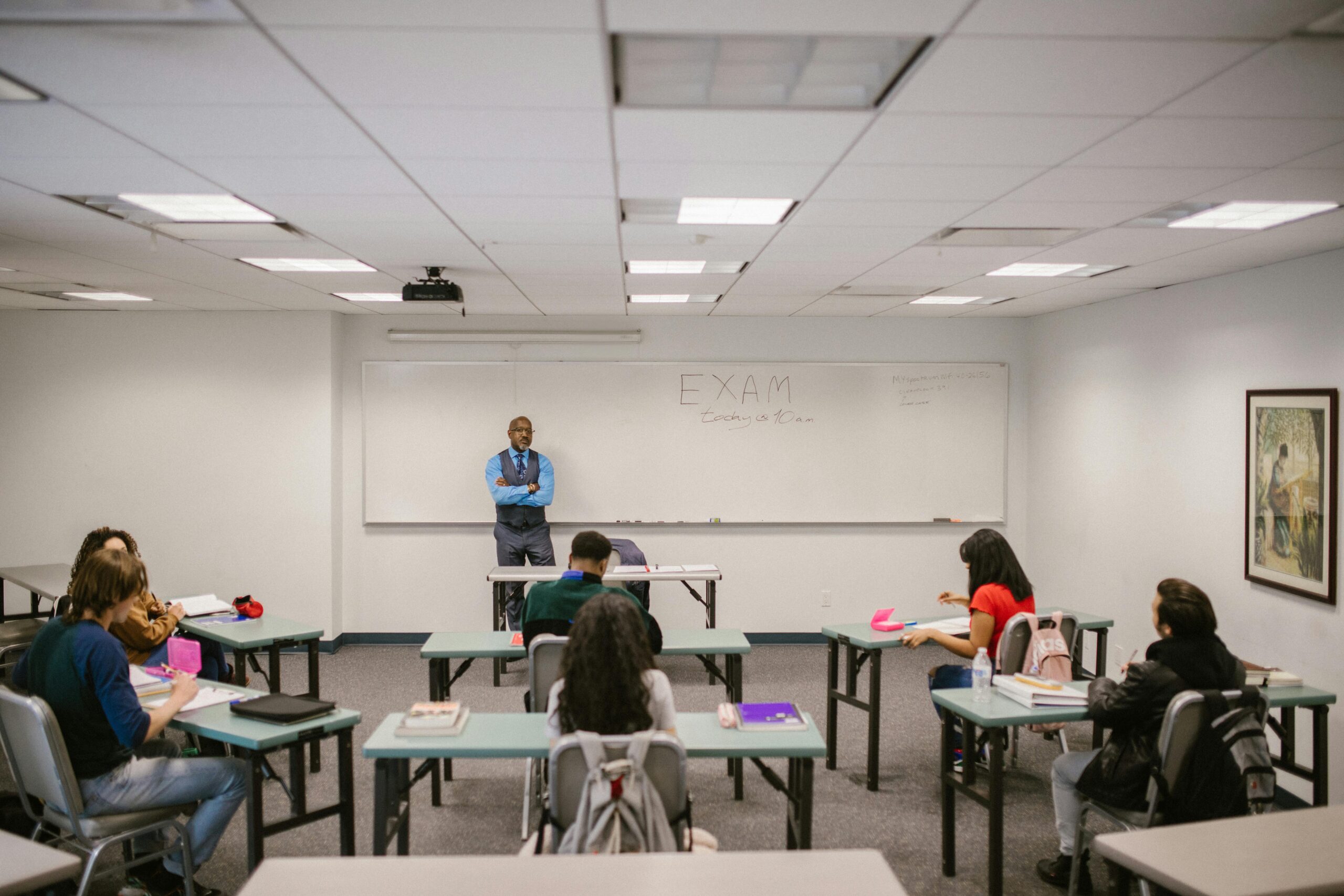
Last-minute exam preparation can feel overwhelming, but with the right strategy, you can maximize retention, boost confidence, and improve scores even in the final days. This guide provides effective last-minute revision techniques, tips, and actionable strategies to help students revise efficiently and perform well in exams.
🧠 Why Last-Minute Revision Works
- Reinforces knowledge learned earlier
- Focuses on high-priority topics
- Improves confidence and reduces anxiety
- Highlights weak areas for quick correction
Important: Last-minute revision should complement earlier preparation, not replace it.
1. Stay Calm and Positive
Stress and panic reduce memory retention and focus:
- Take deep breaths and visualize success
- Avoid negative self-talk → “I can’t do this”
- Remind yourself that you have prepared and can cover key points efficiently
Tip: Calmness improves focus and retention during last-minute study sessions.
2. Prioritize Important Topics
Not all topics are equally important:
- Focus on high-weightage chapters or frequently asked questions
- Review summaries, key points, and formulas
- Skip topics with minimal marks unless you have extra time
Tip: Use a checklist of topics and mark areas to revise first.
3. Use Active Recall
Active recall is the fastest way to reinforce memory:
- Cover notes and try to recall key points
- Write down formulas, definitions, or concepts from memory
- Use flashcards for quick revision of facts and vocabulary
Tip: Active recall is more effective than passive reading in last-minute preparation.
4. Practice Past Papers
Past papers reveal patterns and frequently asked questions:
- Solve a few questions under exam-like conditions
- Focus on time management and answering accurately
- Identify topics you struggle with and revise them quickly
Tip: Even solving 2–3 past papers can significantly boost confidence.
5. Make Quick Notes and Summaries
- Condense lengthy notes into bullet points, diagrams, or mind maps
- Highlight formulas, dates, and key definitions
- Review these summaries multiple times in the final hours
Tip: Quick notes are easier to recall under exam pressure.
6. Use Mnemonics and Memory Tricks
Memory aids are crucial for last-minute revision:
- Acronyms → To remember lists or sequences
- Rhymes or songs → For dates, rules, or terms
- Visualization → Link concepts to images or scenarios
- Chunking → Break complex information into smaller, memorable parts
7. Time Management During Last-Minute Study
- Divide remaining time wisely between subjects and topics
- Allocate more time to weak areas
- Avoid spending hours on topics you already know well
- Use Pomodoro technique → 25–50 minutes of focused study with 5–10 minute breaks
Tip: Maintain short, focused study sessions to prevent fatigue.
8. Stay Healthy and Energized
- Sleep: 6–7 hours if possible; avoid all-nighters
- Food: Eat light, nutritious meals → avoid heavy or junk food
- Hydration: Keep water handy
- Exercise: Light stretching to increase blood flow and alertness
Tip: Physical well-being directly affects mental performance during exams.
9. Use Technology Wisely
- Educational apps → Flashcards, quizzes, summaries
- YouTube tutorials → Quick concept revision
- Online question banks → Practice tricky problems
- Avoid distractions like social media or unnecessary browsing
10. Plan the Exam Day in Advance
- Prepare all materials (pens, pencils, ID, calculator, etc.) the night before
- Check exam timings and travel arrangements
- Plan to arrive early to reduce stress
- Have a light breakfast and avoid caffeine overload
Tip: Being organized reduces anxiety and increases focus.
11. Exam-Taking Strategies for Last-Minute Revision Students
- Read instructions carefully: Avoid careless mistakes
- Scan the paper first: Identify easy, high-mark questions
- Attempt simple questions first: Boost confidence and secure marks
- Mark difficult questions for review: Avoid wasting time
- Review answers if time permits: Correct minor errors
12. Avoid Common Last-Minute Mistakes
- Trying to learn everything from scratch → Leads to confusion
- Ignoring weak subjects entirely → Lose easy marks
- Overloading on caffeine or energy drinks → Causes jitteriness
- Studying in noisy environments → Reduces focus
- Panic → Impairs recall and decision-making
13. Sample Last-Minute Revision Schedule
| Time | Activity |
|---|---|
| 6:00–6:30 AM | Light revision of formulas/definitions |
| 6:30–7:30 AM | Solve 10–15 practice questions |
| 7:30–8:00 AM | Breakfast & relaxation |
| 8:00–9:00 AM | Quick review of weak topics |
| 9:00–10:00 AM | Flashcards / mnemonics |
| 10:00–10:15 AM | Short break |
| 10:15–11:00 AM | Practice past paper questions |
| 11:00–11:30 AM | Review key summaries |
| Afternoon | Light revision & relaxation |
| Evening | Early dinner & sleep preparation |
| Night | Light overview of summaries before sleep |
Tip: Adjust schedule based on exam timing and remaining hours.
14. Psychological Tips for Last-Minute Revision
- Stay positive: Focus on what you know rather than what you don’t
- Visualize success: Picture yourself confidently solving questions
- Breathe deeply: Reduce stress and enhance focus
- Avoid comparing yourself to peers: Everyone’s preparation differs
15. Key Takeaways
- Prioritize important topics → don’t waste time on minor details
- Use active recall, flashcards, and mnemonics for fast memory retention
- Solve past papers and practice questions under time pressure
- Maintain health → sleep, food, hydration, and short breaks
- Plan exam day to reduce stress and distractions
Last-minute revision is all about efficiency, focus, and smart prioritization. By following these strategies, students can maximize retention, reduce anxiety, and boost marks even with limited time.